Tank Cars
A complete line of tank cars from a leader in the tank car industry.
DELIVERING SUCCESS
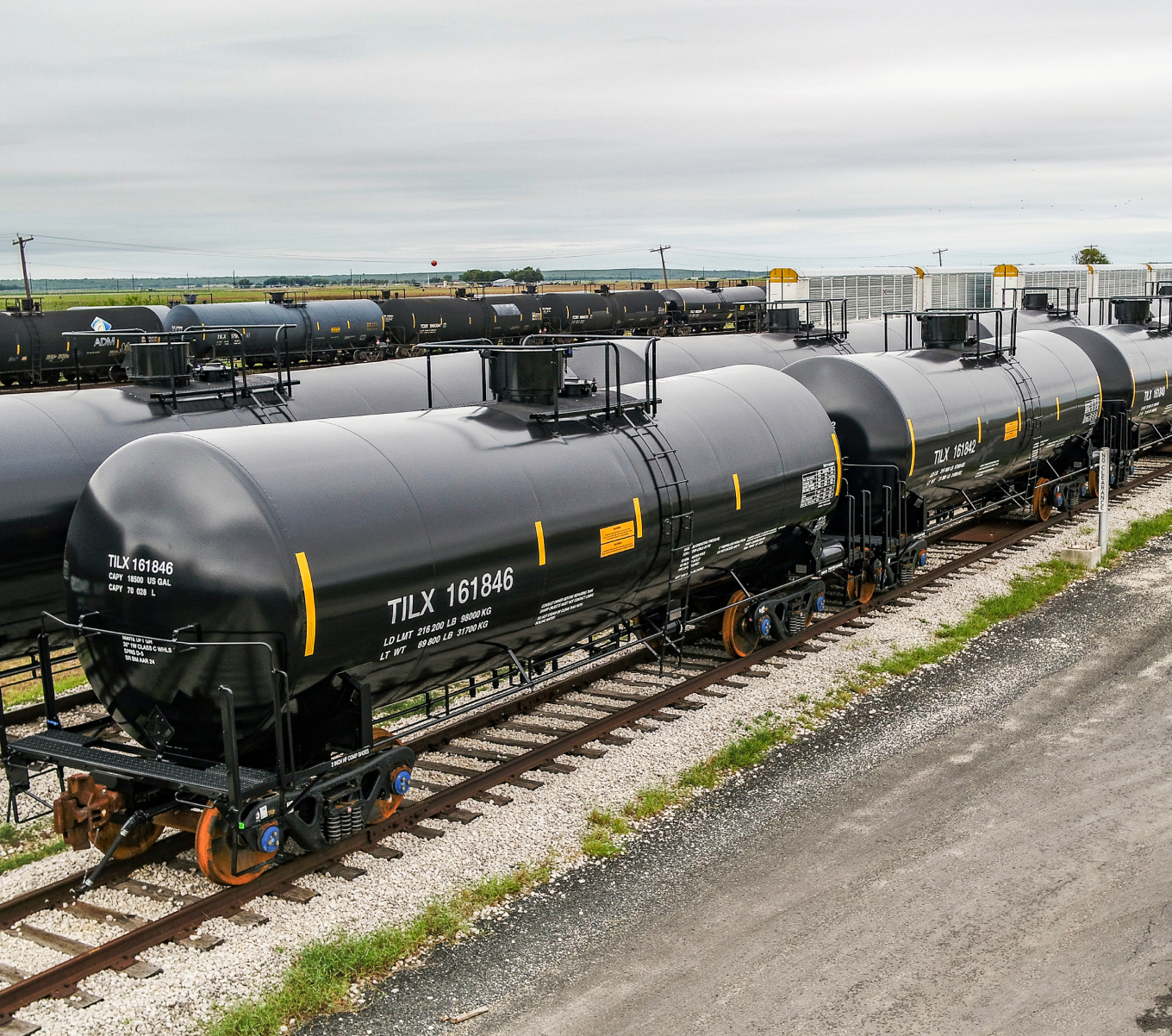
TrinityRail is a recognized leader in tank car manufacturing and leasing, providing access to a comprehensive portfolio of tank car products and a commitment to meeting your rail transportation needs.
DELIVERING EFFICIENCY
Our resources and experience make us a premier provider of both pressurized and non-pressurized tank cars. You can trust TrinityRail to deliver the right solution at every turn.
Delivering Peace of Mind
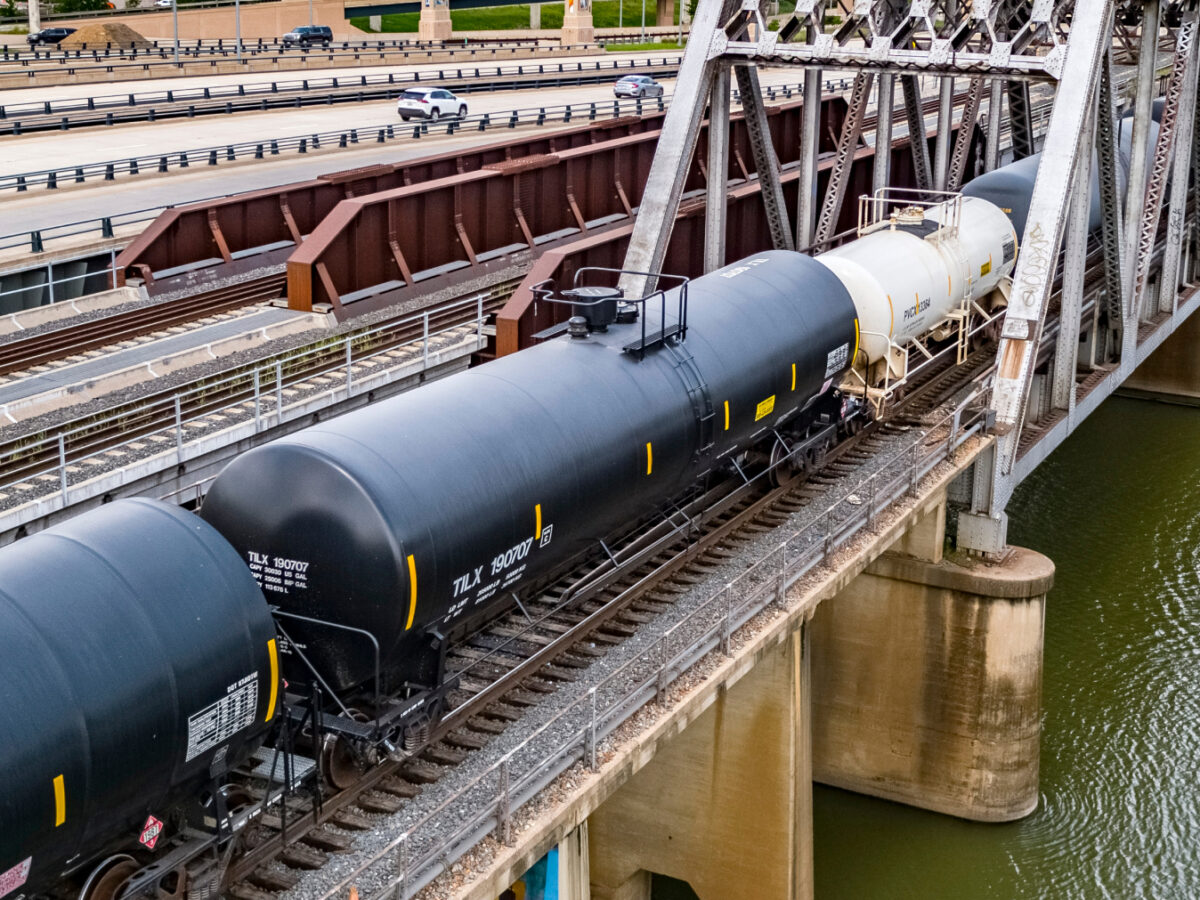
With our tank car experience, knowledge, and commitment to our customers, we help you deliver products across North America while providing the confidence and peace of mind that comes with engaging an industry leader.
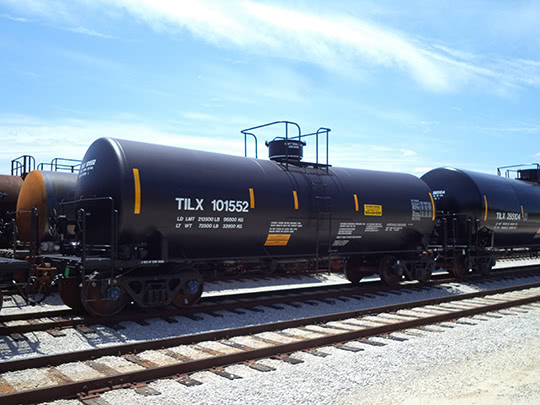
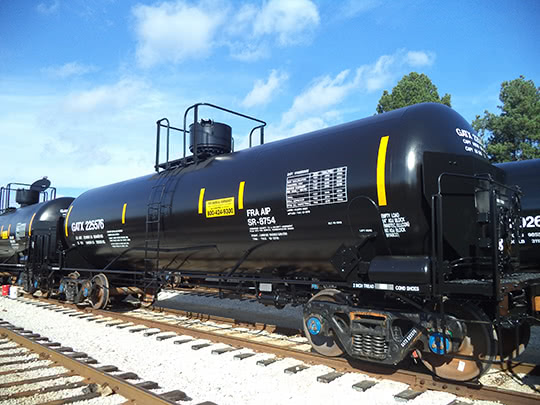
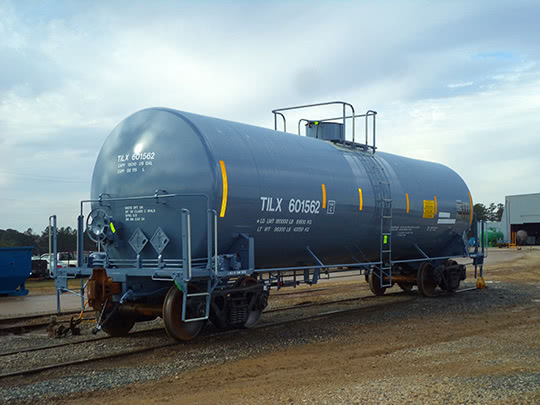
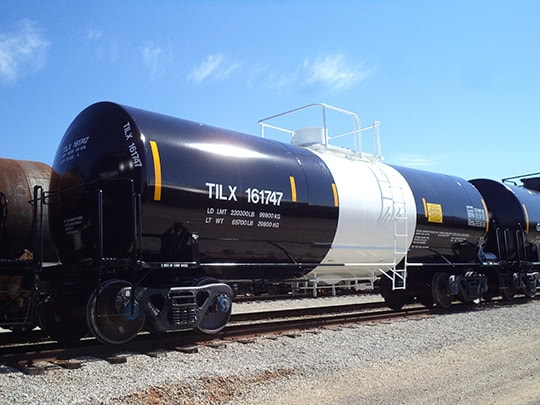
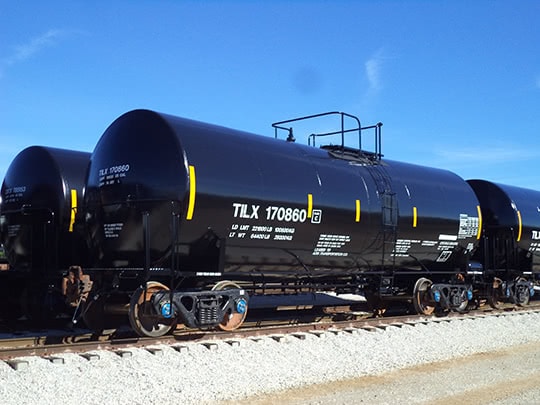
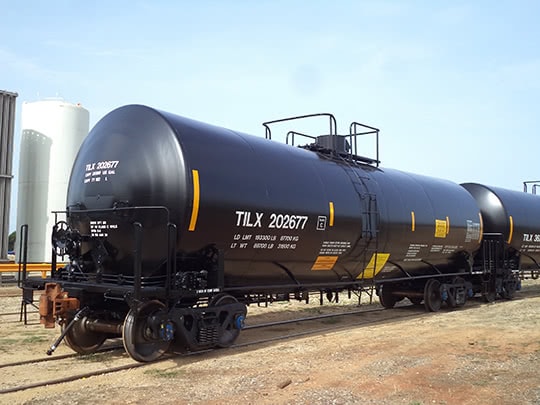
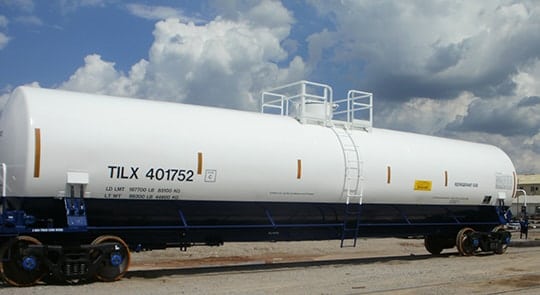
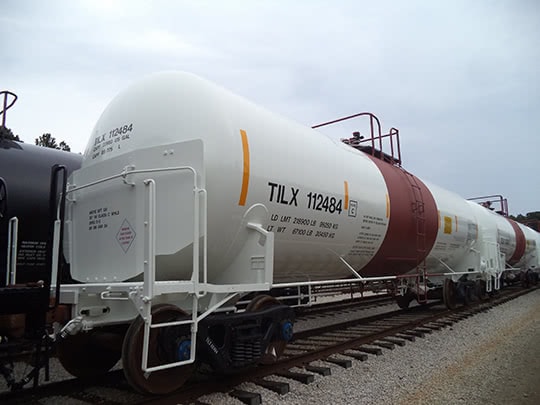
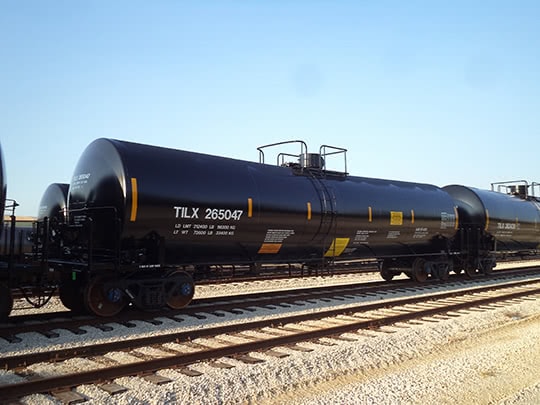
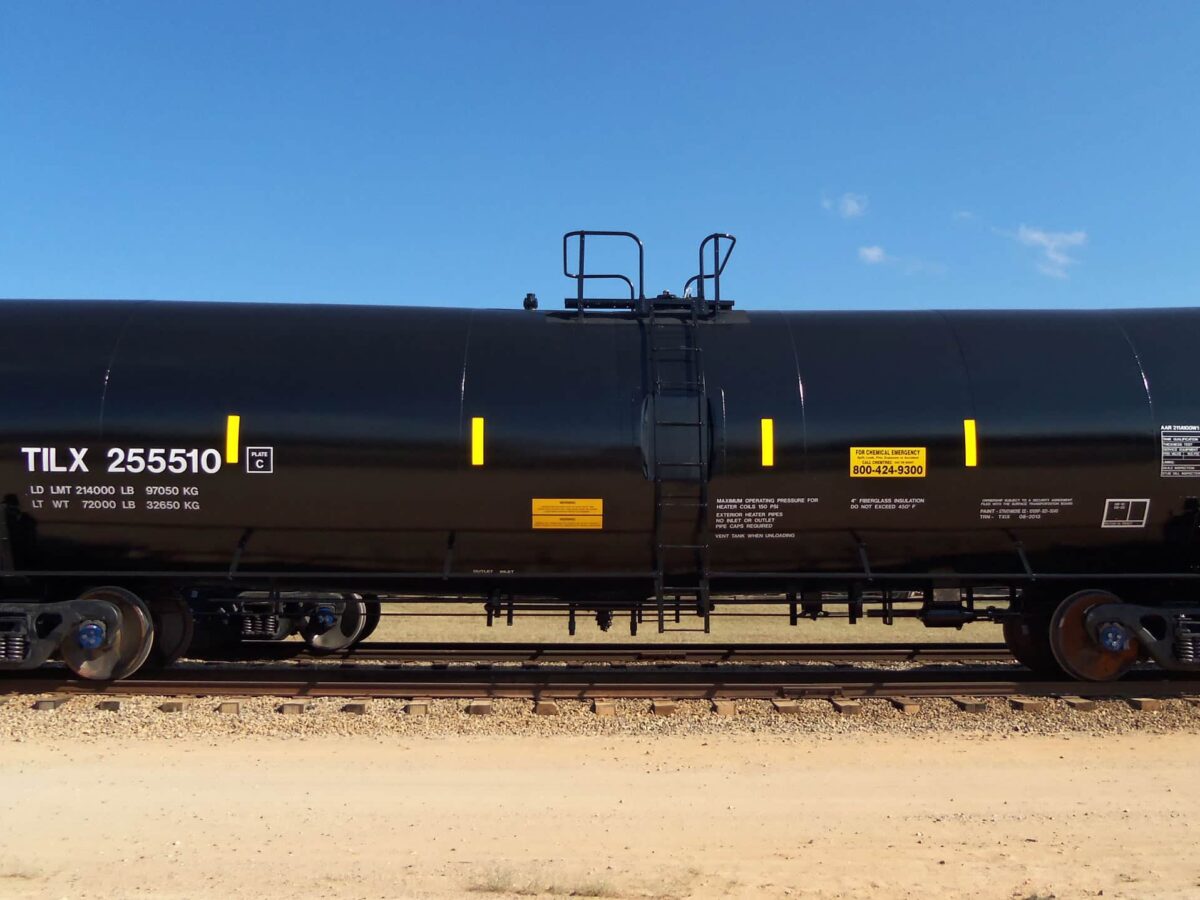
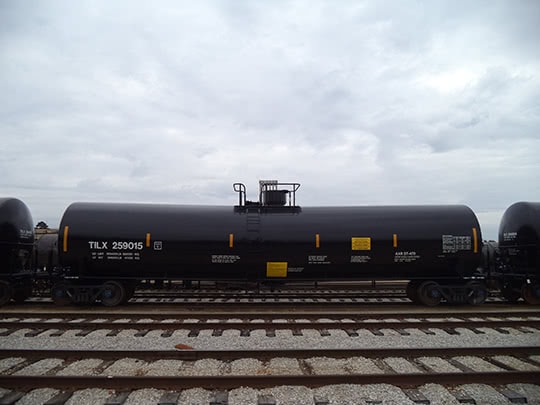
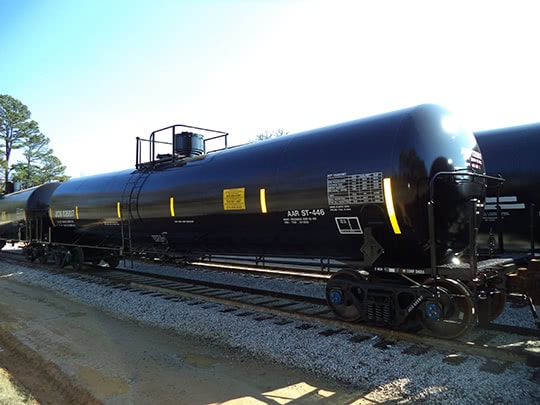
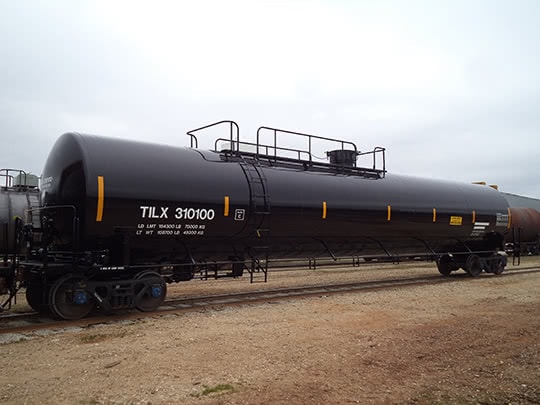
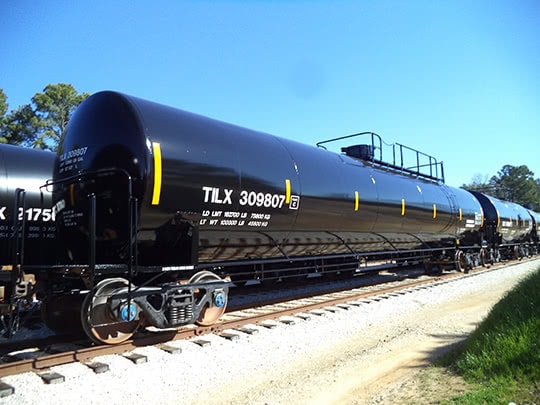
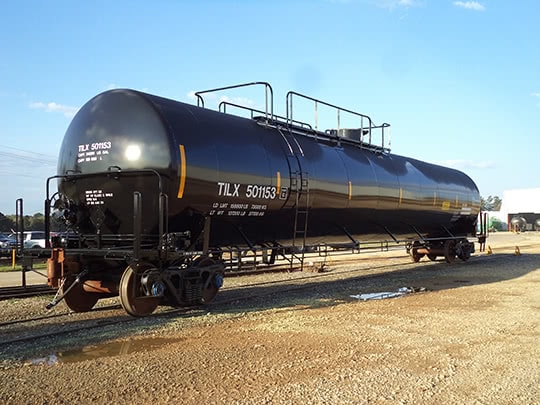
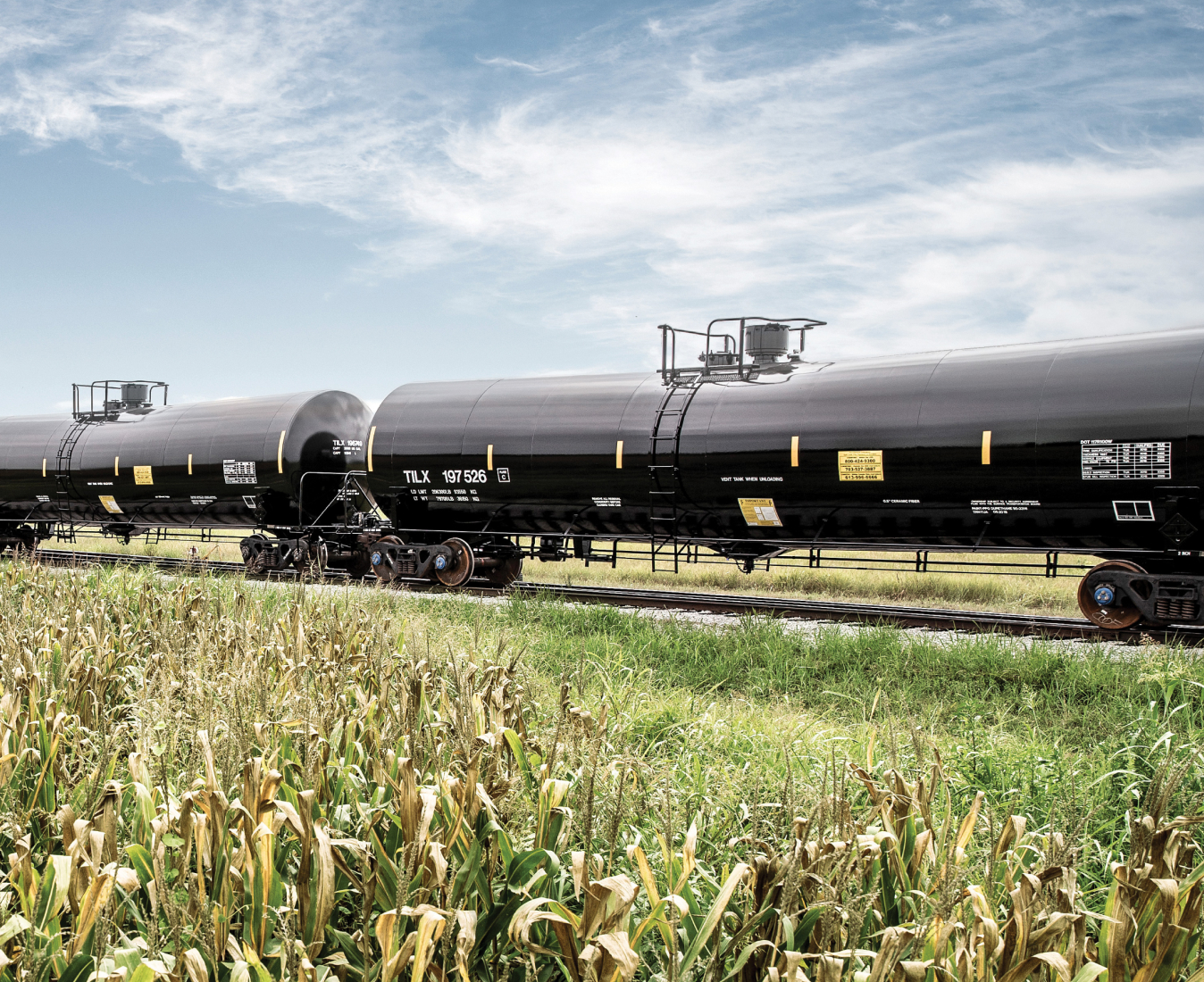
26,470-Gallon Tank Car
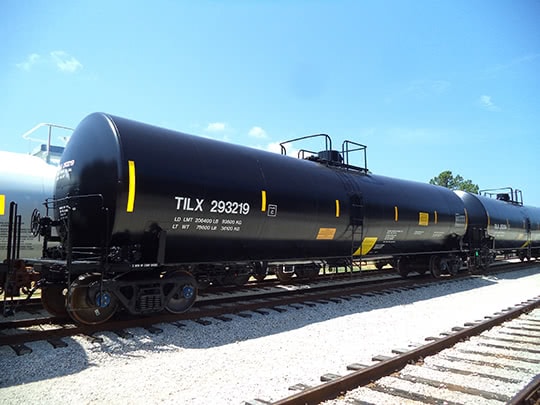
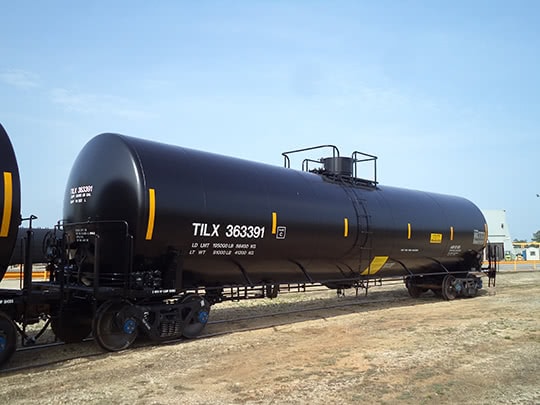
WHAT IS A TANK CAR?
Tank cars are designed to transport liquid and gas commodities, including chemicals, petroleum products, and food-grade materials. Depending on the commodity, tank cars may be pressurized or non-pressurized and are built to meet specific regulatory and safety standards.
Pressurized tank cars are typically used for commodities like LPG, ammonia, and other compressed gases, while non-pressurized tank cars are commonly used for petroleum products, industrial chemicals, and food-grade liquids.
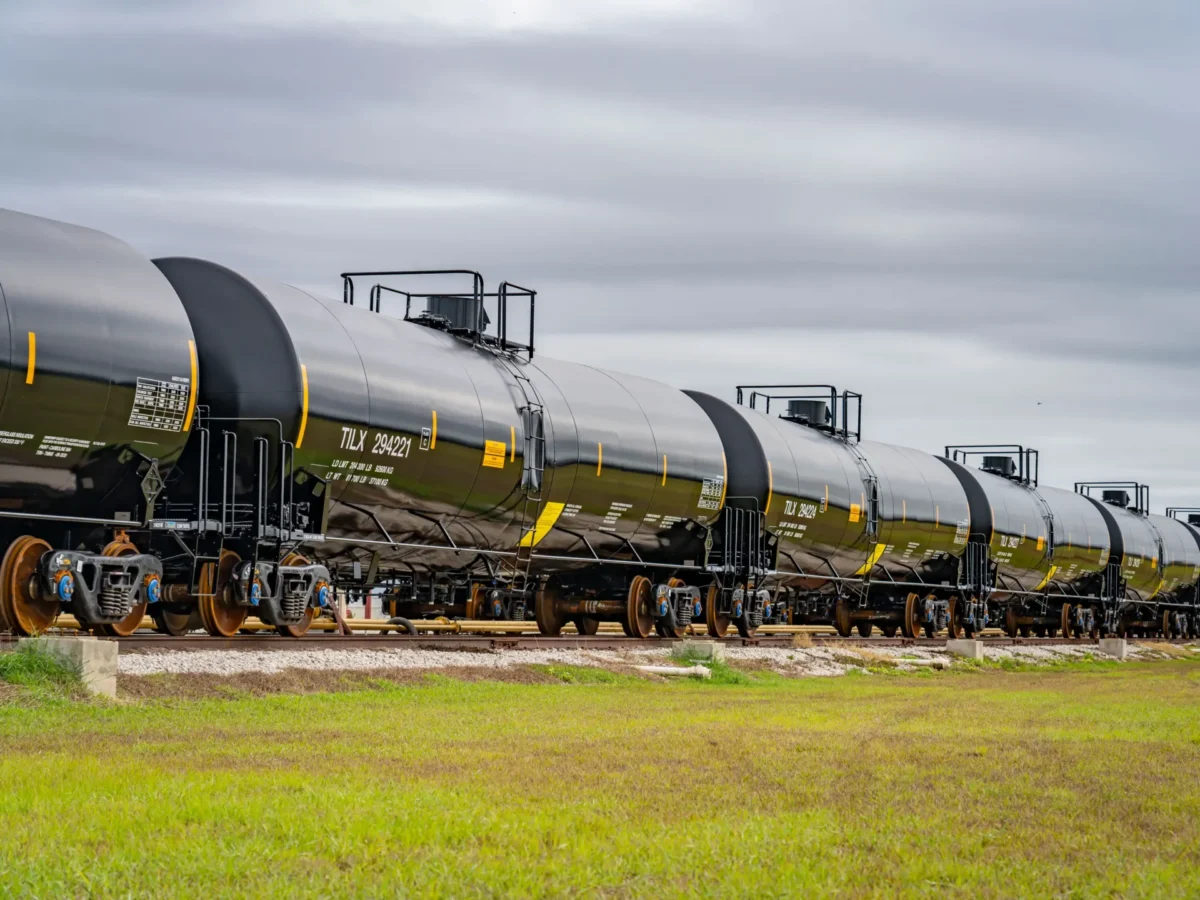
Common uses and applications.
Tank cars are used to move bulk liquids and gases across broad supply chains, including:
- Crude oil and refined fuels
- Industrial chemicals and acids
- Liquefied gases like LPG and ammonia
- Food-grade products like oils and syrups
Tank car types and configurations.
Tank cars are available in several configurations based on commodity requirements:
- Pressurized tank cars
- Non-pressurized tank cars
- Insulated tank cars for temperature control
- Coiled cars for heated unloading
TRUST THE LEADER
IN RAILCAR LEASING
Our owned and managed fleet of more than 140,000 railcars is one of the largest and fastest growing in North America. Coupling our lease fleet with our comprehensive portfolio of railcar products and services positions us to provide tailored rail transportation solutions across nearly every industry.
DELIVERING MORE
SUSTAINABLE SUPPLY CHAINS
BY ELEVATING RAIL’S
ENVIRONMENTAL ADVANTAGES
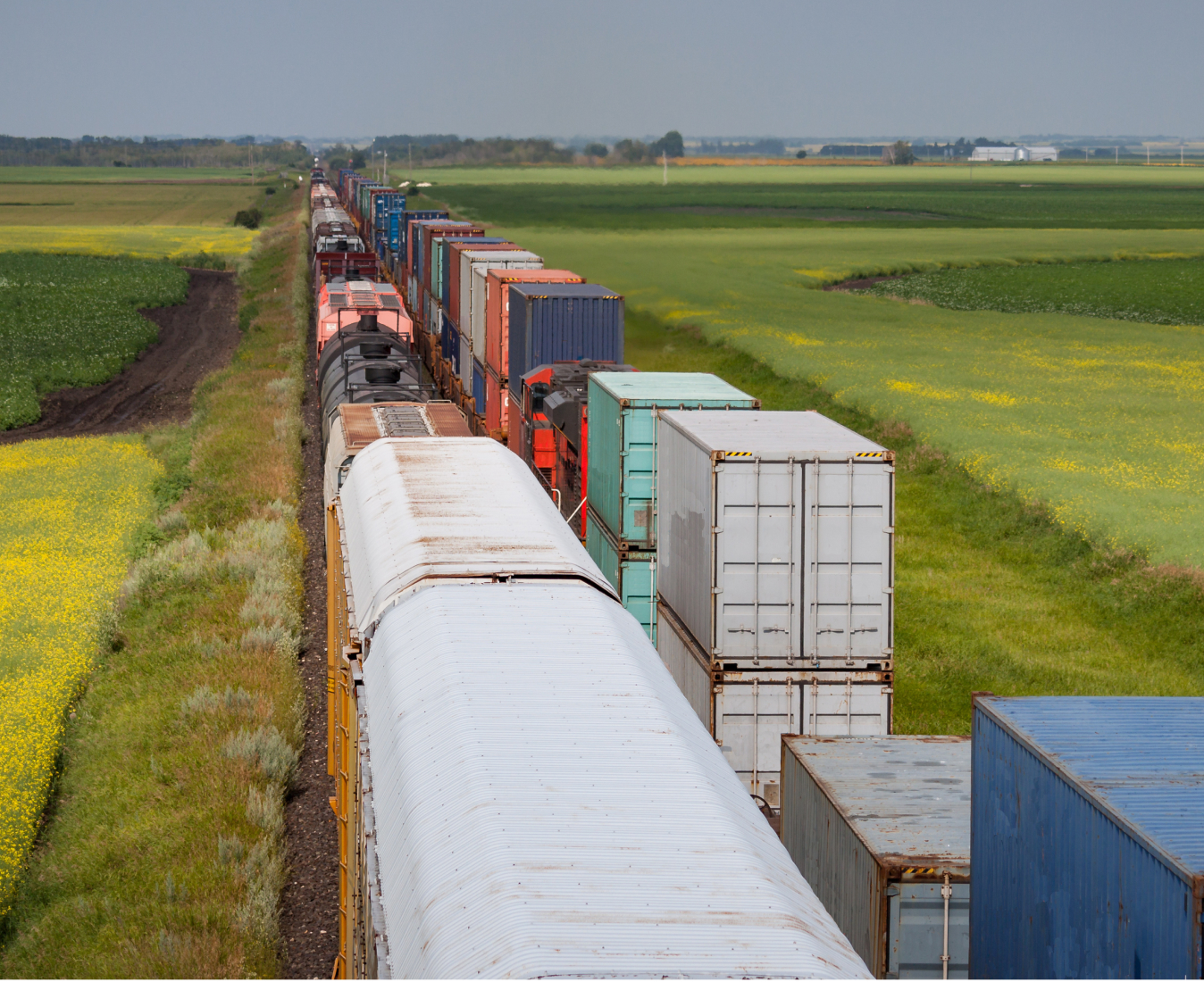
As environmental impact continues to be a priority when enterprises consider their supply chains, rail shipping leaders are stepping up. TrinityRail is preparing for the future of rail shipping and for sustainability.
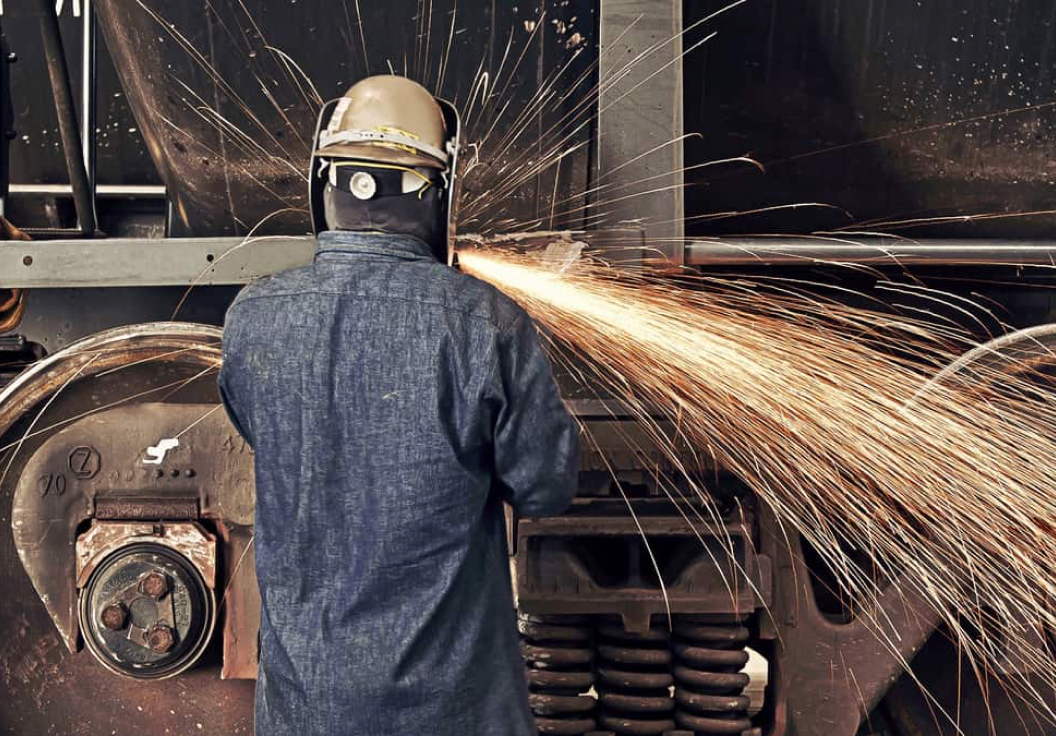
The most effective fleets stay productive when they’re properly maintained. TrinityRail offers diverse services and strategic shop locations as well as mobile repair capabilities to keep your cars in service.
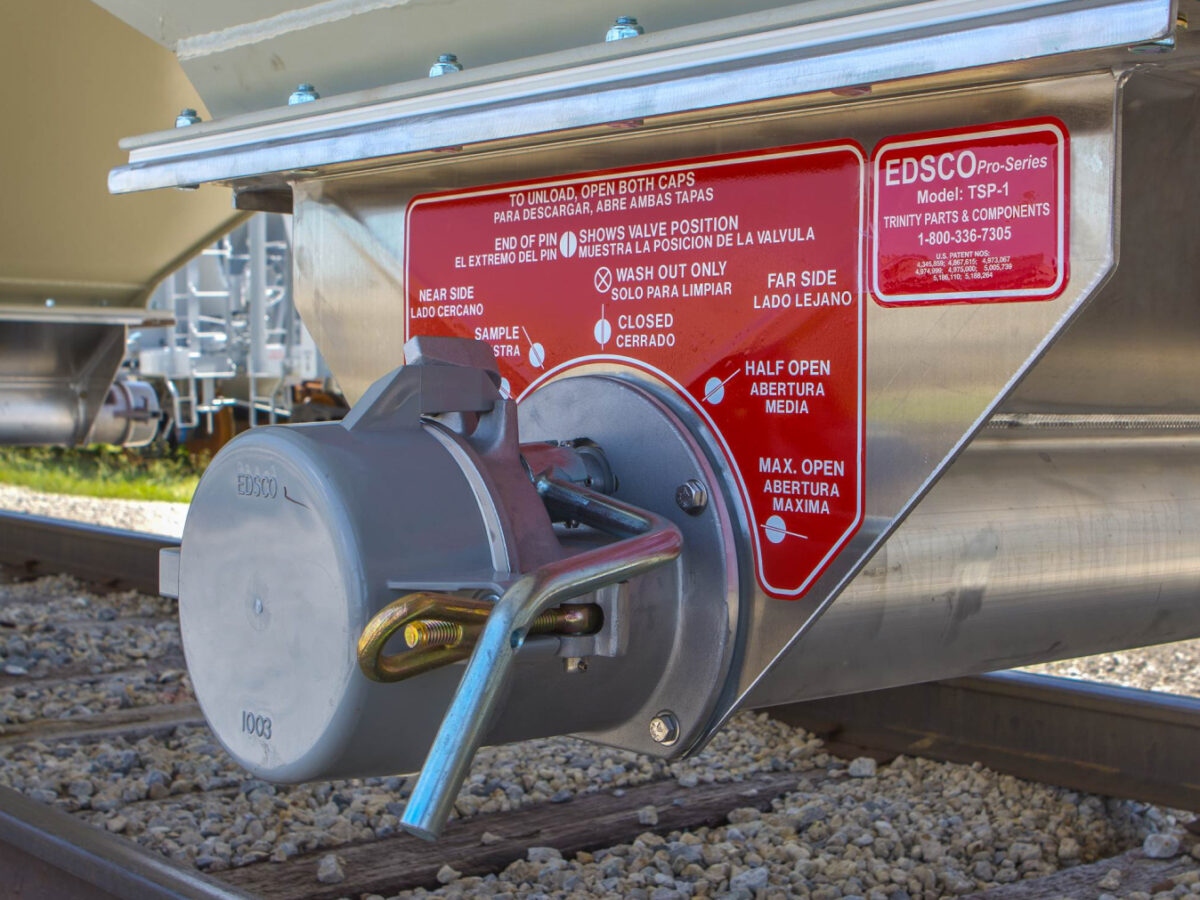
As one of North America’s leading railcar parts suppliers, our expertise drives the industry forward. With a deep parts inventory and our network of partners, we deliver the right part when you need it most.
CONNECT WITH OUR TEAM TO DISCUSS YOUR TANK CAR NEEDS.
"*" indicates required fields